
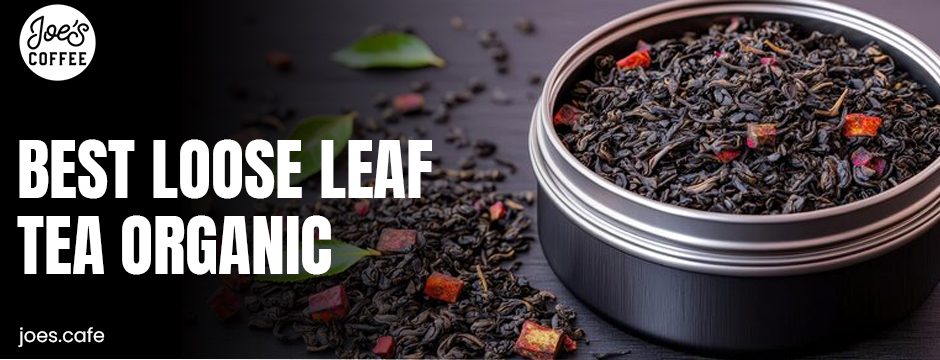
When people look for the best loose leaf tea organic, they are usually searching for more than just a healthy drink. They want better taste, cleaner ingredients, and a more satisfying daily habit. But the truth is, not every organic tea lives up to that expectation.
Many teas carry the word “organic,” yet they fall short in flavor, freshness, and overall quality. So what actually makes an organic loose leaf tea truly premium?
Let’s break it down in a clear and practical way so you can understand what matters and how to choose better.
Organic Is Important, But It Is Not Everything
Organic tea means it is grown without synthetic chemicals like pesticides or artificial fertilizers. This is important because tea leaves are directly infused in hot water, and whatever is on the leaf ends up in your cup.
However, organic alone does not guarantee a great tea.
A tea can be organic and still taste dull, flat, or overly bitter. That is because quality depends on several other factors like how the tea is grown, when it is harvested, how it is processed, and how fresh it is when it reaches you.
Organic is the starting point, not the final standard.
Whole Leaf Quality Makes a Real Difference
One of the easiest ways to identify premium loose leaf tea is by looking at the leaves themselves.
High-quality tea usually comes in whole or large leaf form. These leaves hold their natural oils and flavor much better than broken pieces.
Lower-quality tea often contains:
- Small fragments
- Crushed leaves
- Dust-like particles
These break down quickly and release a harsher, more bitter taste.
Whole leaves, on the other hand, open up slowly when brewed. This allows the flavor to develop in layers, giving you a smoother and more enjoyable cup.
If you want the best loose leaf tea organic, always pay attention to the leaf size and structure.
Where the Tea Is Grown Shapes the Taste
The place where tea is grown has a major impact on how it tastes.
Factors like altitude, soil, climate, and surrounding environment all influence the final flavor. Premium tea is often grown in regions where conditions naturally support slow and steady growth.
These conditions include:
- Higher altitudes
- Cooler climates
- Rich, natural soil
- Shaded growing environments
When tea plants grow slowly, they develop more complex flavors.
For example:
- Some green teas have a fresh and slightly sweet profile
- Certain black teas are bold and full-bodied
- Herbal blends depend heavily on the natural quality of ingredients used
When a tea brand clearly mentions its origin, it usually indicates better transparency and care.
Freshness Plays a Bigger Role Than Most People Think
Freshness is one of the most overlooked aspects of tea quality.
Tea does not stay fresh forever. Over time, it loses its aroma, flavor, and overall character. Even a well-grown tea can taste average if it has been sitting too long.
Premium loose leaf tea is:
- Packed soon after processing
- Stored in a way that protects it from air and light
- Served within a reasonable timeframe
When you open fresh tea, you should notice a clear and natural aroma. If there is little to no smell, the tea may not be at its best anymore.
Freshness directly affects how enjoyable your cup will be.
Processing Determines the Final Experience
After tea leaves are picked, they go through several steps before they are ready to brew. These steps include drying, rolling, and sometimes controlled oxidation.
Each step must be handled carefully.
If done well, the tea retains its natural taste and aroma. If done poorly, the tea can become harsh or lose its character.
For example:
- A good green tea should taste smooth and clean
- A black tea should feel rich, not sharp
- Herbal teas should feel balanced, not overpowering
The difference often comes down to how carefully the tea was handled during processing.
Natural Flavor Is a Sign of Quality
Premium organic tea should taste natural.
This means:
- The flavor should not feel artificial
- The aroma should be clean and pleasant
- The aftertaste should be smooth
Flavored teas can still be high quality if real ingredients are used. For example, adding actual spices, herbs, or dried fruits can enhance the tea without making it feel artificial.
If a tea tastes too strong in an unnatural way, it is usually a sign of lower quality.
Brewing Performance Reveals True Quality
The real test of tea happens when you brew it.
A premium loose leaf tea behaves differently from a lower-quality one.
You will notice that:
- The leaves expand fully in water
- The flavor develops gradually
- The taste stays consistent across multiple brews
Lower-quality tea often gives a strong first brew but quickly loses flavor. It may also leave a rough or dry feeling after drinking.
Good tea gives you a balanced experience from start to finish.
Packaging and Storage Matter More Than You Realize
How tea is stored affects how long it stays fresh.
Premium tea brands pay attention to packaging. They use materials that protect the tea from:
- Air
- Moisture
- Light
If tea is exposed to these elements, it loses its quality faster.
Look for packaging that is sealed properly and easy to close again after opening. This helps maintain freshness over time.
Responsible Sourcing Reflects Overall Quality
Premium organic tea often comes from farms that focus on long-term sustainability.
This includes:
- Care for the environment
- Fair treatment of workers
- Responsible farming methods
While this may not directly change the taste, it shows the level of care behind the product.
When producers take their work seriously, it usually reflects in the final cup.
Understanding Price and Value
High-quality organic loose leaf tea is not always cheap.
There are reasons for this:
- Better farming practices cost more
- Skilled processing takes time
- Fresh handling requires proper systems
However, price alone does not define quality.
Some expensive teas are not worth it, while some reasonably priced options can be excellent. The key is to look at the full picture, not just the price tag.
Why Coffee Drinkers Often Appreciate Premium Tea
People who enjoy coffee often find themselves drawn to high-quality tea.
This is because both drinks share similar qualities:
- Origin matters
- Freshness is important
- Preparation affects the final taste
If you already appreciate best organic espresso beans, you are likely to understand what makes a good tea as well.
Both require attention to detail and a focus on quality over convenience.
A Note from Our Experience at Joe’s Cafe
At Joes Cafe, we focus on serving drinks that feel clean, fresh, and well-balanced. When we choose our teas, we look beyond labels and pay attention to how the tea actually tastes and performs.
We work with trusted sources to bring in organic loose leaf teas that meet our standards. Our goal is to offer something that feels consistent and satisfying in every cup.
Just like we carefully select the best organic espresso beans, we apply the same thinking to our tea. We believe that whether someone chooses coffee or tea, they should get a drink that reflects quality and care.
Conclusion
A truly premium organic loose leaf tea is not defined by a single factor. It is the result of several things coming together, including how the tea is grown, how the leaves are handled, how fresh it is, and how it tastes when brewed.
When you understand these factors, it becomes easier to choose the best loose leaf tea organic for your daily routine.In the end, the difference is clear. A good tea feels natural, tastes balanced, and gives you a reason to slow down and enjoy the moment.
Frequently Asked Questions
Look for whole leaf appearance, clear origin details, and proper packaging. Premium tea should have a noticeable natural aroma even before brewing. Avoid products that look like dust or lack transparency about sourcing.
No, organic certification only ensures the tea is grown without synthetic chemicals. Premium quality depends on additional factors like leaf size, freshness, processing methods, and overall flavor experience.
Loose leaf tea usually contains whole or larger leaves that retain natural oils and flavor. Tea bags often use broken leaves or dust, which can result in a stronger but less refined taste.
Store your tea in an airtight container away from light, heat, and moisture. Proper storage helps preserve aroma and flavor, ensuring you get the best experience from your tea over time.
Yes, especially for those looking for a smoother source of energy. Many tea drinkers who enjoy best organic espresso beans also appreciate loose leaf tea for its balanced flavor and lighter feel without the intensity of coffee.

