

Gut health has become one of the most discussed topics in nutrition and wellness circles. A healthy gut not only supports digestion but also influences immunity, mental clarity, and overall well-being. One of the simplest yet most effective ways to support gut health is through mindful beverage choices. Among these, organic loose leaf tea has emerged as a preferred option over traditional bagged tea. This blog explores why the best organic loose leaf tea can be a vital part of a gut-friendly lifestyle and how it compares to bagged alternatives.

Understanding Gut Health
The human gut is home to trillions of microorganisms, collectively known as the gut microbiome. This complex ecosystem influences digestion, nutrient absorption, metabolism, and immune response. A balanced gut microbiome is associated with better energy levels, reduced inflammation, and improved mental health. Conversely, an imbalance, often caused by poor diet, stress, or environmental toxins, can lead to digestive discomfort, bloating, and other health issues.
Nutrition plays a key role in maintaining gut balance. Diets rich in fiber, antioxidants, and plant compounds promote the growth of beneficial bacteria. Tea, particularly organic loose leaf varieties, provides an array of compounds that support this microbial community.
The Composition of Organic Loose Leaf Tea
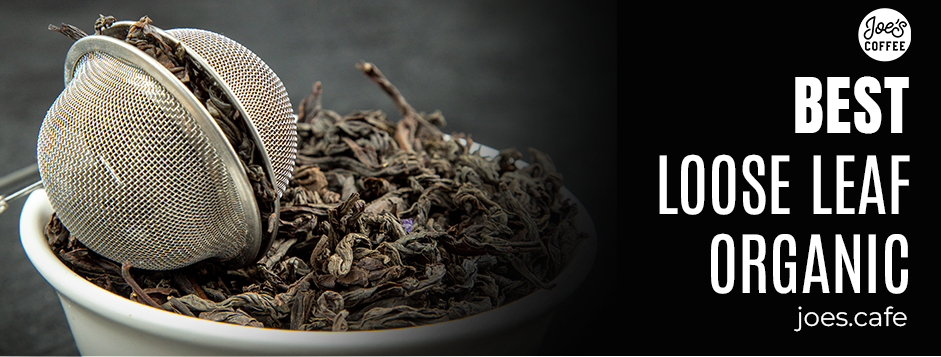
Unlike bagged teas, loose leaf tea retains its natural structure, essential oils, and nutrients. The leaves in loose leaf tea are typically larger, minimally processed, and carefully sourced from organic farms.
Key Components Beneficial to Gut Health:
Polyphenols – These plant compounds act as prebiotics, feeding beneficial gut bacteria. Polyphenols are present in green, white, oolong, and black teas, and are significantly more abundant in loose leaf forms.
Catechins and Flavonoids – These antioxidants reduce inflammation in the gut lining and protect against oxidative stress.
Enzymes and Amino Acids – Loose leaf teas retain natural enzymes and amino acids that aid digestion and contribute to gut comfort.
Minimal Additives – Organic loose leaf teas avoid preservatives, artificial flavors, and chemical residues, ensuring the gut microbiome is not disrupted by synthetic compounds.
For these reasons, the best loose leaf tea organic varieties are more effective at supporting gut health than many bagged teas.
How Loose Leaf Tea Supports Gut Health
1. Promotes Beneficial Gut Bacteria
Polyphenols in organic loose leaf tea act as prebiotics. Prebiotics are food for probiotics, the good bacteria in the gut. Studies have shown that regular consumption of polyphenol-rich tea can increase populations of Lactobacillus and Bifidobacterium species. These bacteria improve digestion, enhance nutrient absorption, and strengthen the gut barrier.
Bagged teas often contain finely broken leaves or dust. This processing reduces the concentration of polyphenols and limits their effectiveness in nourishing beneficial bacteria. By choosing loose leaf tea, you maximize your intake of compounds that actively support gut health.
2. Reduces Inflammation
Inflammation in the gut can result from stress, poor diet, and exposure to toxins. Chronic gut inflammation contributes to bloating, discomfort, and a higher risk of gastrointestinal disorders. The catechins and flavonoids in loose leaf tea have anti-inflammatory properties. When consumed regularly, these compounds can soothe the gut lining, reduce oxidative stress, and support balanced digestion.
Bagged teas, in comparison, often lose a significant portion of these compounds during processing and storage. Organic loose leaf tea retains more antioxidants, making it a stronger ally in managing gut inflammation.
3. Supports Digestive Enzymes
Loose leaf teas preserve natural enzymes that assist in breaking down food compounds. Enzymes such as amylase and protease help digest carbohydrates and proteins, reducing the workload on the digestive system. This leads to fewer instances of bloating, gas, or indigestion.
Bagged tea leaves are frequently crushed or broken into smaller particles, which destroys many of these beneficial enzymes. Drinking loose leaf tea ensures you benefit from the natural enzymatic activity.
4. Encourages Regular Bowel Movements
Proper gut function requires a balance of fluid intake, fiber, and bioactive compounds. Loose leaf teas contain compounds that promote hydration and stimulate mild peristalsis, supporting regular bowel movements. This gentle effect helps maintain a healthy digestive rhythm without harsh laxatives or additives.
5. Improves Nutrient Absorption
A healthy gut efficiently absorbs nutrients from food. The antioxidants and polyphenols in organic loose leaf tea support the gut lining and microbial environment, which enhances the absorption of vitamins, minerals, and other nutrients. Over time, this contributes to better energy levels, skin health, and overall vitality.
The Limitations of Bagged Tea
While bagged teas are convenient, they often fall short in terms of gut health benefits:
Lower Polyphenol Content – The smaller, broken leaves used in tea bags release fewer polyphenols, reducing prebiotic effects.
Faster Oxidation – Bagged teas have a higher surface area exposed to air, which accelerates oxidation and decreases the potency of antioxidants.
Additives and Flavors – Many commercial bagged teas contain artificial flavors, preservatives, and colorings that can negatively impact the gut microbiome.
Shorter Steeping Time – Bagged teas often require shorter steeping times, which limits the extraction of beneficial compounds. Loose leaf teas allow full extraction of nutrients when steeped properly.
By choosing best organic loose leaf tea, you avoid these limitations and ensure every cup contributes meaningfully to gut health.
Brewing the Perfect Cup for Gut Health
To maximize the benefits of loose leaf tea, proper brewing techniques are essential:
Use Fresh, Filtered Water – Avoid chlorinated water, as it can reduce polyphenol content.
Optimal Temperature – Green and white teas require 160–185°F, while black and oolong teas need 190–200°F.
Steeping Time – Allow leaves to steep for 3–5 minutes depending on type. Oversteeping may make the tea bitter and reduce palatability.
Quality Tea Leaves – Select high-quality, organic loose leaf teas. Fresh leaves retain essential oils and nutrients that are lost in bagged tea.
Following these steps ensures the compounds supporting gut health are fully released into your cup.
Choosing the Best Organic Loose Leaf Tea
When selecting a loose leaf tea for gut health, consider the following:
- Certified Organic – Ensures the tea is free from pesticides and synthetic fertilizers.
- Whole or Large Leaves – Retain natural nutrients and oils.
- Freshness – Purchase from reputable suppliers or local cafes that roast and pack tea close to consumption.
- Single-Origin Options – Often richer in antioxidants and polyphenols than blended teas.
Varieties such as green tea, white tea, oolong, and herbal blends like chamomile or peppermint are excellent for supporting digestion and promoting gut balance.
Joe’s Cafe: Our Commitment to Quality
At Joe’s Cafe, we understand the importance of gut health and the role tea plays in overall wellness. That is why we offer only the best organic loose leaf tea sourced from premium farms around the world. Our teas are freshly roasted and carefully packaged to preserve natural oils, antioxidants, and polyphenols.
We prepare each cup with precision to ensure you experience the full range of benefits. Beyond just tea, we provide a welcoming environment where you can relax, recharge, and enjoy a mindful tea experience. Whether you are enjoying a quiet morning or meeting friends, our commitment is to serve beverages that not only taste exceptional but also support your gut health and overall well-being.
Incorporating Loose Leaf Tea Into Daily Life
Regular consumption of organic loose leaf tea can be seamlessly incorporated into your lifestyle:
- Start the day with a calming cup of green or white tea to support digestion and metabolism.
- Enjoy herbal blends like peppermint or chamomile after meals to aid in soothing the gut.
- Replace sugary beverages with lightly brewed loose leaf tea to reduce inflammation and support microbial balance.
- Create a ritual around your tea, which can reduce stress, another key factor in gut health.
Conclusion
The benefits of best organic loose leaf tea go beyond taste. From promoting beneficial gut bacteria to reducing inflammation and enhancing nutrient absorption, loose leaf tea offers a superior option compared to bagged alternatives. Its carefully preserved polyphenols, enzymes, and antioxidants provide significant support for gut health, making it a valuable addition to any wellness-focused lifestyle.
By choosing best loose leaf tea organic, and preparing it correctly, you can enjoy a beverage that is both satisfying and health-promoting. Integrating it into your daily routine ensures a happier, healthier gut and improved overall vitality.
At Joe’s Cafe, we are dedicated to bringing you this premium tea experience, combining quality, freshness, and expert preparation so that every cup contributes to your health and enjoyment.
Frequently Asked Questions
1. What makes organic loose leaf tea better for gut health than bagged tea?
Organic loose leaf tea retains whole leaves, natural oils, antioxidants, and polyphenols that support beneficial gut bacteria. Bagged teas often use broken leaves, which lose many nutrients during processing, reducing their effectiveness in promoting gut health.
2. Which types of loose leaf tea are best for digestion?
Green tea, white tea, oolong, and herbal teas like peppermint, chamomile, and ginger are excellent for digestion. These teas contain polyphenols and natural enzymes that reduce inflammation, support beneficial bacteria, and soothe the gut lining.
3. How should I brew loose leaf tea to maximize gut health benefits?
Use fresh, filtered water and steep whole leaves at the recommended temperature: 160–185°F for green and white teas, 190–200°F for black and oolong teas. Steep for 3–5 minutes to fully extract antioxidants and polyphenols while avoiding bitterness.
4. Can drinking organic loose leaf tea improve nutrient absorption?
Yes. The antioxidants and polyphenols in organic loose leaf tea help maintain a healthy gut lining and balanced microbiome, which enhances digestion and nutrient absorption, supporting overall wellness.
5. Where can I find the best organic loose leaf tea?
The best organic loose leaf tea is available from trusted cafes and suppliers that prioritize freshness, quality, and certified organic sourcing. For example, at Joe’s Cafe, we offer freshly roasted and carefully prepared loose leaf teas designed to maximize gut health benefits.