
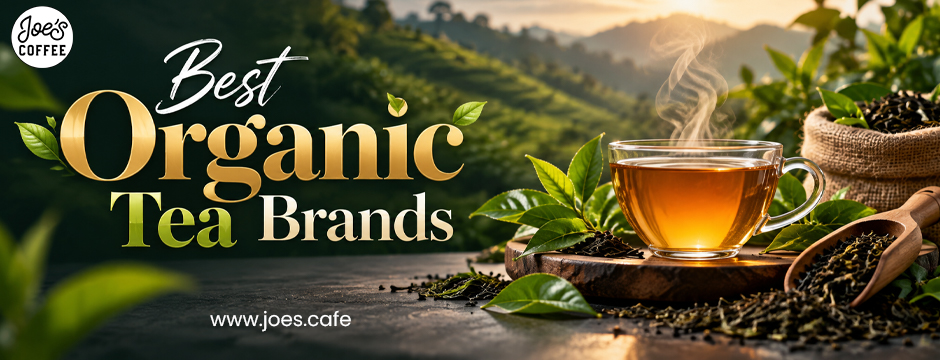
Finding the right tea can be surprisingly personal. Some people want a refreshing herbal blend. Others prefer green tea, traditional black tea, or an unusual specialty flavor. Organic sourcing adds another consideration when choosing what goes into your cup.
The best organic tea brands combine clear ingredient information, responsible sourcing, good flavor, freshness, and practical brewing guidance. However, no single tea suits everyone. The right choice depends on taste, caffeine preference, ingredients, and how you plan to enjoy it.

What Makes the Best Organic Tea Brands Worth Considering?
A quality organic tea should offer more than an attractive package. Before buying, examine several practical factors.
Look for:
- Recognized organic certification where applicable
- Clear ingredient and flavor information
- Transparent sourcing details
- Proper packaging for freshness
- Suitable brewing instructions
- A flavor profile that matches your preference
Organic certification and the word “natural” are not the same. Certification follows defined production standards, while “natural” can have a broader marketing meaning. Therefore, check the actual label when organic production is important to you.
Ingredient transparency matters
A well-labeled tea tells you what is inside the blend. Common botanical ingredients include peppermint, chamomile, ginger, hibiscus, lavender, turmeric, fruit, and spices.
This matters especially with flavored blends. A tea described as citrusy, spicy, floral, or fruity should provide enough information for shoppers to understand its ingredients.
Freshness affects the cup
Tea can lose aroma when exposed to moisture, heat, light, or air. Good packaging helps protect its flavor.
Once opened, store tea in a dry, cool location away from strong odors. This simple step can make a noticeable difference, particularly with delicate green and herbal blends.
Best Organic Tea by Type
Different tea categories offer different experiences. Knowing the basic distinctions makes shopping easier.
Herbal tea: refreshing and versatile
Herbal teas are made from botanicals rather than traditional tea leaves. Many are naturally caffeine-free, although blends should always be checked individually.
Peppermint provides a cool, crisp character. Chamomile is floral and gentle. Ginger adds warmth, while hibiscus brings a tart, vibrant note.
Blended options can be more adventurous. Tangerine ginger, lavender mint, turmeric ginger, chili mango, and blueberry hibiscus demonstrate how herbs, spices, fruits, and flowers can create distinctive combinations.
Green tea: light and nuanced
Green tea is generally known for a fresher and lighter profile than black tea. Depending on its origin and processing, it may taste grassy, vegetal, floral, nutty, or subtly sweet.
Brewing technique is important. Water that is too hot or steeping that lasts too long can create unwanted bitterness.
Matcha offers another green tea experience. It is finely ground and whisked rather than simply steeped, producing a concentrated drink with a distinctive texture.
Black tea: rich and robust
Black tea has a deeper flavor and is often selected for its stronger character. Familiar styles include English Breakfast and Earl Grey.
Masala Chai provides another direction. Black tea is combined with aromatic spices, creating a warming and fragrant beverage.
When comparing black teas, consider leaf quality, origin, strength, aroma, and whether you prefer drinking it plain or with milk.
Specialty tea: distinctive flavors
Specialty teas are ideal for people who want to move beyond familiar choices. White tea, jasmine tea, fruit-infused green tea, and premium matcha blends can add variety to a daily routine.
Flavors such as Strawberry Tulsi, Yuzu Peach Green, Jasmine, Jade Cloud, and Matcha Super Green offer different combinations of sweetness, floral notes, fruit, and vegetal character.
How to Choose the Best Organic Tea Brands
Start with your flavor preference
Think about the flavors you already enjoy.
If you like cool and refreshing drinks, peppermint may appeal to you. Prefer something floral? Try jasmine or chamomile. For warmth and spice, ginger or chai can be a better fit.
A thoughtful approach can be more beneficial than choosing a product simply because it is widely popular.
Consider caffeine
Caffeine content varies between tea types and blends. Traditional green and black teas naturally contain caffeine. Many herbal infusions do not.
However, ingredients and preparation methods can affect the final amount. Check the product information if caffeine intake is an important consideration.
Match the tea to your routine
Your drinking habits should influence your choice.
A convenient tea bag may suit a busy morning. Loose-leaf tea can appeal to someone who enjoys controlling the amount and steeping time. Matcha requires a different preparation method altogether.
Consequently, the most suitable option is often the one that fits naturally into your routine.
What Should You Check Before Buying Organic Tea?
Use this quick checklist when comparing products:
- Check certification: Look for recognized organic certification when applicable.
- Read the ingredients: Make sure the blend contains what you expect.
- Review the origin: Sourcing information can provide useful context.
- Assess freshness: Examine packaging and storage recommendations.
- Choose your flavor: Match the tea to your preferred taste profile.
- Check caffeine information: This is particularly important for daily consumption.
- Review brewing guidance: Temperature and steeping time can affect flavor.
These points make it easier to compare products without relying entirely on advertising claims.
How to Brew Organic Tea for Better Flavor
Even a high-quality tea can taste disappointing when brewed incorrectly.
Use the right water temperature
Green tea generally benefits from cooler water than black tea. Herbal infusions can often tolerate hotter water.
If the package provides specific instructions, follow them first. They are usually based on the characteristics of that particular blend.
Watch the steeping time
Over-steeping can make some teas bitter or overly strong. Under-steeping may leave the drink thin.
Start with the recommended time. Then adjust gradually according to your taste.
Keep preparation consistent
When comparing two teas, use similar quantities, water quality, and brewing times. This gives you a clearer idea of how their flavors differ.
Why Sourcing and Preparation Matter
The journey from cultivation to cup can influence the final drinking experience. Growing conditions, harvesting, processing, storage, and preparation all play a role.
Organic production is one part of that equation. It does not automatically guarantee superior flavor. Tea quality also depends on the plant material, processing method, freshness, and brewing technique.
That distinction is important when evaluating the best organic tea brands. A certification can tell you something about production standards, but your final experience depends on several additional factors.
Where Café Expertise Can Help
Buying tea online gives you convenience, but a knowledgeable café can make exploration easier.
A trained barista can ask about flavors you enjoy and suggest a suitable category. They can also prepare the drink using appropriate brewing methods.
Furthermore, tasting tea in a café lets you explore unfamiliar flavors before purchasing a larger quantity for home use.
Fresh, Organic Flavor at Joes Cafe
For tea lovers exploring the best organic tea brands, Joes Cafe offers organic coffees and teas sourced from around the world and roasted or brewed fresh within 20 days for maximum flavor. Every drink is prepared locally in Michigan by Certified Baristas, with options including tea, espresso, lattes, cappuccino, and Nitro Brew on Tap. Guests can also enjoy fresh pastries, sandwiches, smoothies, and optional CBD health products, with CBD never added to beverages.

Find a Tea That Fits Your Taste
The best organic tea brands are worth comparing for more than their organic label. Look at ingredients, sourcing, freshness, flavor, caffeine content, and brewing requirements. Then choose a tea that fits the way you actually drink it.
For Michigan tea lovers, Joes Cafe offers organic tea selections alongside freshly prepared coffee, specialty drinks, pastries, and locally prepared food. Stop by to explore different herbal, green, black, and specialty tea flavors and find a blend that suits your routine.
Frequently Asked Questions
What is the best organic tea to start with?
Start with the flavor profile you already enjoy. Peppermint and chamomile suit people who prefer herbal flavors, while green and black teas provide more traditional tea experiences.
Is organic tea healthier than conventional tea?
Organic certification primarily relates to how agricultural products are produced and processed under applicable standards. It should not be treated as a guarantee of specific health benefits. Nutrition and health effects depend on the individual tea, ingredients, preparation, and personal circumstances.
Which organic tea has the strongest flavor?
Black tea and spiced chai generally provide fuller, more robust flavors. Strength also depends on the tea-to-water ratio and steeping time.
How should organic tea be stored?
Keep it sealed in a cool, dry place away from sunlight, moisture, heat, and strong odors. Proper storage helps preserve aroma and flavor.